

Our audit covers legacy .NET applications to determine technical debts and migration threats and create a modernization and migration approach, including target architecture and delivery plan estimates, prior to any execution.
Our modernization services target code-based transformation of legacy .NET applications through runtimes, frameworks, dependency updates, refactoring, and automated testing adoption – applicable for web, desktop, and mobile .NET applications while preserving their behavior and platforms.
Migration of legacy .NET web, desktop, and mobile applications to current platforms, frameworks, and runtimes. The extent and methodology of migration vary depending on the type of application and the destination platform, ranging from a change of runtime environment with minimal code modifications to rewrites when the source framework has no corresponding equivalent within the current .NET.
We perform .NET application architecture modernization by transforming legacy architectures into current architectural styles by decomposing monolithic applications into separate services, replacing deprecated architecture patterns, and developing applications following the latest .NET architectural styles.
We perform modernization of the data access layer from legacy ORM or ADO.NET frameworks and legacy database migration related to .NET applications, and modernize legacy integration with an API/event-driven approach.
We make legacy .NET applications ready for cloud deployment through containerization, setting up cloud infrastructure and environment, and implementing CI/CD pipelines for automated build and deployment.
Audit-First Approach
We audit the entire application portfolio before we finalize scope, timeline, or budget. Migration surface areas and platform-specific constraints are identified during the assessment phase – not discovered mid-project.
We apply an AI-assisted migration approach across the migration process — accelerating codebase analysis, generating documentation for legacy code, improving test coverage, and supporting refactoring work on large .NET codebases. This results in a decrease in assessment efforts and migration execution time while keeping the technical decisions under engineering oversight.
Incremental Migration with Production Continuity
We migrate in phases with the legacy application in production until the phase is tested and validated. Migration phases are sequenced to isolate risk at each step – framework upgrades, architecture changes, and platform migrations are never combined into a single cutover.
Functional Equivalence Validation
We validate with automated testing at each migration phase that the application preserves the original behavior before the start of the next phase.
Following .NET Best Development Practices & Coding Standards
All migration projects adhere to the existing .NET coding standards and software engineering best practices, ensuring consistent code, architecture, and quality standards for the migrated codebase.













Small web application migration to the newest ASP.NET Core, standard dependency tree
Single desktop application migration to the newest .NET runtime, no UI redesign required
Xamarin mobile application migration to .NET MAUI, single platform target
Project manager, .NET developer, QA engineer
Project manager, .NET developer, QA engineer
Mid-size web application migration to ASP.NET Core with database layer and integration updates
Legacy desktop application migration to the current .NET with UI modernization or cross-platform target
Xamarin Native application migration to .NET iOS and .NET Android
Project manager, solution architect, .NET developers, QA engineer
Project manager, solution architect, .NET developers, QA engineer
Large multi-module web application migration to ASP.NET Core with cloud migration and CI/CD setup
Enterprise desktop application migration to a cross-platform architecture with a cloud-connected back-end
Full Xamarin mobile application suite migration to .NET MAUI with back-end integration updates
Project manager, solution architect, .NET developers, DBA, DevOps engineer, QA engineer
Project manager, solution architect, .NET developers, DBA, DevOps engineer, QA engineer
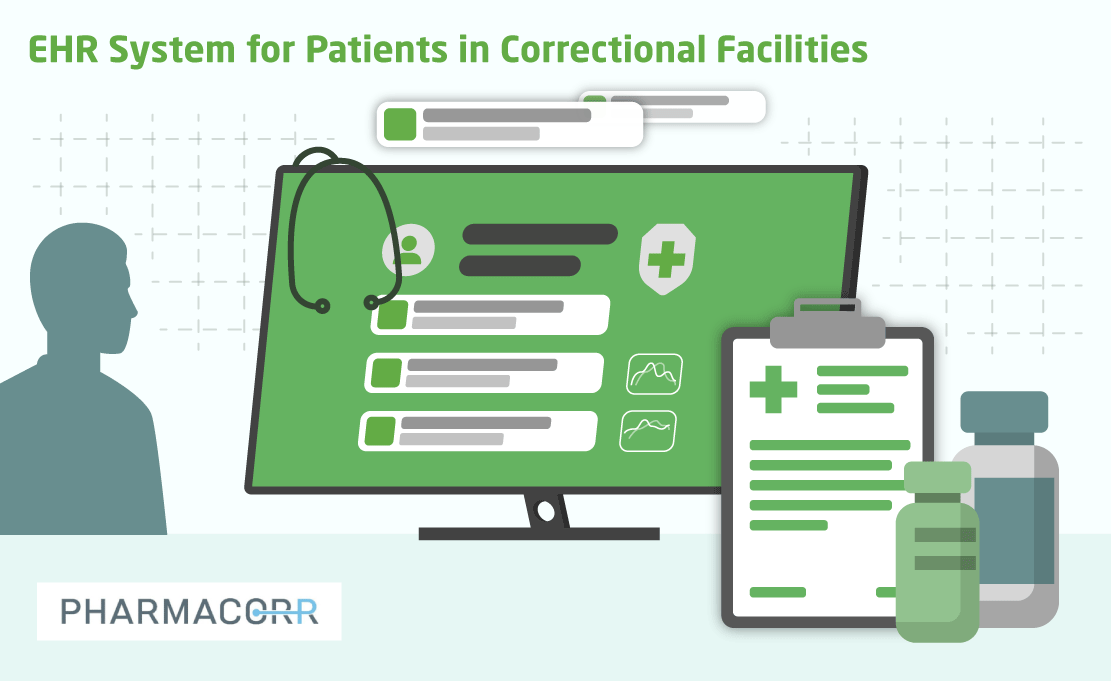
Industry: Healthcare
Technologies: From MVC .NET Framework, Razor to current .NET, React
The Chudovo team was responsible for legacy EHR system maintenance. After this, our developers performed a complete rewrite in order to use current technologies for both backend and frontend architecture. The migration process tackled such challenges as outdated architecture preventing scale, data stored per facility preventing patient records access from other facilities, and poor performance. The legacy application is HIPAA-compliant and allows access to patient records across various correctional facilities.
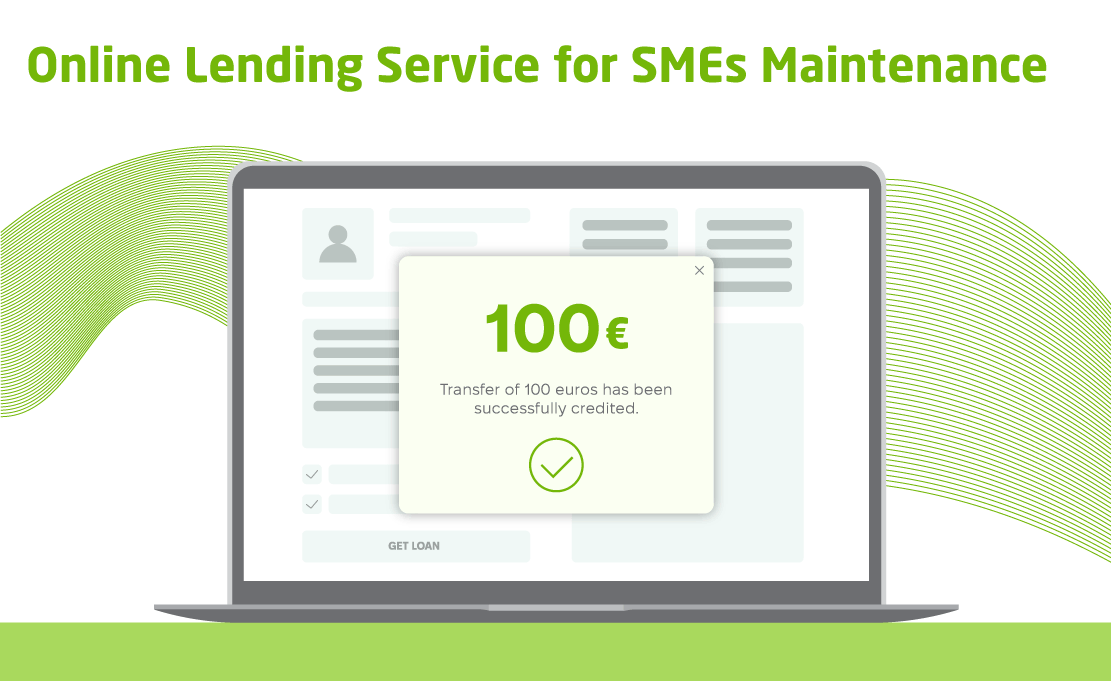
Industry: FinTech
Technologies: From .NET Framework to current .NET, Azure, microservices
The Chudovo team performed the migration of a legacy lending platform from an old version of .NET Framework to a current one, performing such operations as codebase migration, setting up infrastructure on the cloud environment, refactoring the data layer, and setting up CI/CD pipelines. Currently, the process of decomposing the monolithic architecture into .NET microservices is taking place.
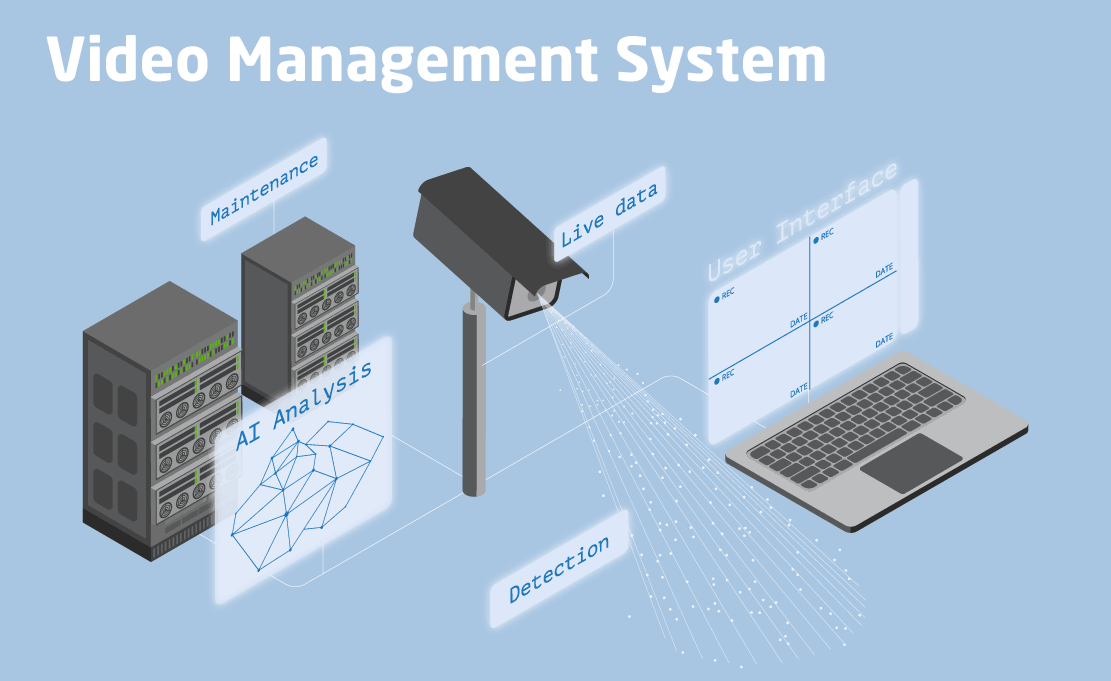
Industry: Video Security
Technologies: From WPF, .NET to web-based .NET, microservices architecture
The customer had been using a desktop version of the video management software built by Chudovo over the years. The Chudovo team has redesigned and rebuilt the entire platform from scratch using the web architecture and microservices to replace the existing desktop application with a web version that can perform multi-camera surveillance, video analytics, and integrations from multiple locations.
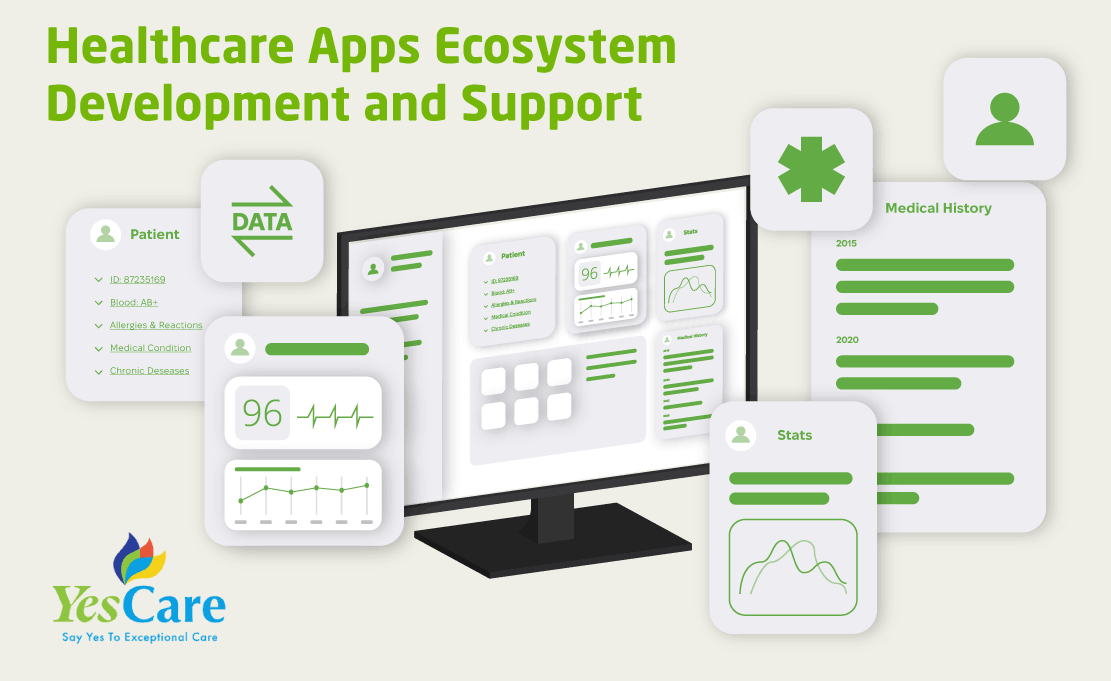
Industry: Healthcare
Technologies: From .NET Framework, Angular.js to current .NET, Angular
The Chudovo team has taken over an ecosystem of correctional healthcare applications and performed re-engineering of critical applications, refactorization of selected modules, creation of other applications from scratch, implementation of CI/CD pipeline, and 24/7 DBA services.
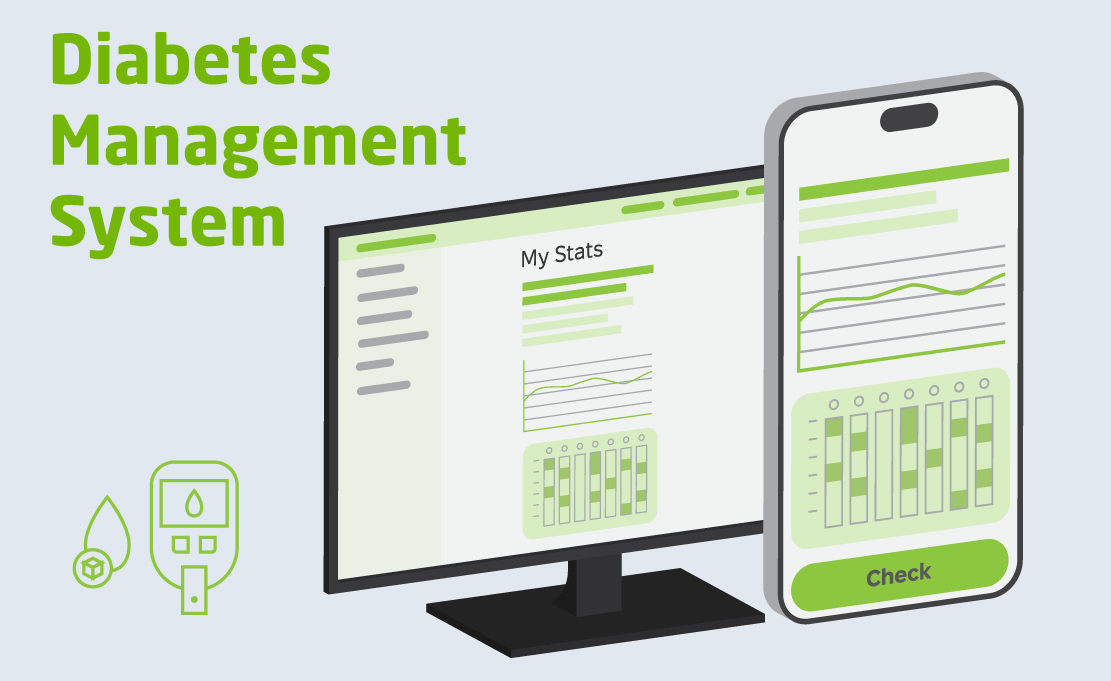
Industry: Healthcare
Technologies: From Xamarin.Forms to .NET MAUI
Chudovo’s specialists performed migration of the cross-platform symptom monitoring mobile application, which works under iOS and Android, from Xamarin to .NET MAUI. The app helps patients who are receiving treatment for pain to record their symptoms and reach out to their physicians. The migration process included code transformation, platform-specific API migration, and testing on target devices.

Industry: PropTech/HR Technology
Technologies: .NET Framework, MSSQL
Chudovo’s experts assumed responsibility for maintaining and later version updating the legacy .NET application that is used for pre-employment screening of potential employees and tenants, fixed a list of defects, and carried out comprehensive system testing. A report on the state of the system and proposed solutions has been compiled.

In this case, the .NET application will be moved to the cloud, but the application itself will not be changed. This is useful when you need to move a .NET framework-based application from Windows servers to cloud infrastructure without changing the architecture as the next step in the process.
In this scenario, we will adjust the application so that it runs on a different runtime or managed cloud platform (e.g., migration from .NET Framework to .NET and required changes in dependencies and configuration settings, but without major architectural changes).
In this scenario, we will rearchitect our application, dividing the monolith into microservices. This option is the most valuable in the long run even though it can require more resources at the start.
We will analyze legacy applications or modules and decommission those that are no longer needed for any business purpose (data archiving, disconnecting from other systems, documenting legacy functionalities).


 Construction