
Legacy Migration

Chudovo is a technology partner for the modernization of complex legacy systems and enterprise-scale application migration. With over 15 years of experience and proven track of record working on legacy systems, we help businesses to reduce technical debt and move to future-proof architectures.
Request legacy migration

Our Legacy Migration Services

Our Awards

Top Software Developers in USA 2026 by Techreviewer
Top Web Development Companies 2026
Sortlist Trusted Partner
Top Full Service Development Company 2026 by Feedbax
Top Enterprise Applications Development Company 2026 by Feedbax
Top Software Development Company
Top REST API Development Company 2025 in Germany by Clutch
Top API Development Company 2025 in Germany by Clutch

Migration Approaches

Each legacy system requires a different migration strategy. Below is an overview of the approaches we apply.
Rehost

We move the application to another environment without changing the code base of the application.

Best for: applications that need to be migrated quickly from the legacy platform until their thorough modernization.

Replatform

We make a few modifications to the application in such a way that it can migrate to a cloud platform or other advanced platform.

Best for: applications that only need an upgrade of the infrastructure and operations, not the code itself.

Refactor

We make changes in the application codebase to address code debt concerns and update dependencies in the codebase without changing the application’s purpose.

Best for: legacy systems that are well-architected but poorly coded.

We redesign the system’s architecture either through monolith decoupling, updating of communication flows, or moving towards event-driven architectures.

Best for: cases where the current architecture cannot allow scaling and optimization of the system.

Rewrite

We create a completely new system based on a new technology stack while preserving all of the business logic.

Best for: cases where there is no way to migrate the current system into a new architecture and technology stack, or if other options are more expensive.

Retire

We archive applications and their components, which do not add any value to the business, along with disconnecting integrations and documenting the compliance process.

Best for: legacy systems discovered during audit and capable of replacement by some modern solutions.

Stages of Migration Project

Industries

Chudovo specializes in legacy migration for businesses with attention to the aspects and nuances of their field of work. Our employees are well-versed in the specifics of regulatory requirements and the availability of IT systems in different industries.
Construction Construction

Why Choose Chudovo for Legacy Migration

  • Chudovo has been providing legacy migration and modernization services since 2006
  • Proven track record in migration of web, desktop, mobile, and enterprise applications
  • Our team consists of highly skilled professional developers and architects, as well as other IT specialists with a proven track record of successful migrations.
  • Flexible cooperation models: dedicated teams, IT staff augmentation, project outsourcing
  • Different pricing models: time and materials (for long-term projects with changing requirements), or a fixed price (for short-term projects with clear requirements)
  • We perform the free initial analysis of the legacy system
  • Knowledge and expertise in designing for regulatory standards: HIPAA, PCI-DSS, GDPR, and SOC 2 compliant solutions


Systems We Migrate

Chudovo provides migration services for various legacy systems. Below is the list of the most frequently encountered systems; however, should your system not be included in the list, our audit process will help us decide what needs to be done.

  • Monolithic web applications
  • Legacy desktop applications
  • On-premises infrastructure and data center environments
  • Mobile apps running on obsolete operating systems
  • Legacy Active Directory setups
  • Old IAM systems
  • Custom auth servers/SSO implementations
  • Legacy cloud deployments (early AWS, Azure, or GCP architectures)
  • Hybrid systems (part cloud or part on-prem)
  • Legacy API gateways
  • Messaging systems (e.g., JMS, IBM MQ, RabbitMQ legacy setups)
  • ETL pipelines and integration hubs
  • Legacy enterprise applications (ERP, CRM, SCM)
  • Workloads running on mainframes
  • Legacy databases and data warehouses
  • Custom-developed systems built on legacy code
  • Systems processing files and batches
  • Windows Services and batch jobs


How Migration Changes the Operations

The impact of migration on development, operation, and infrastructure proves benefits for companies. Once organizations migrate away from legacy systems, they get the capacity to develop, scale, and connect to modern services without any additional efforts. This table demonstrates what organizations can achieve with migration in the most important aspects.

With No Migration After Migration
Rollouts depend on system-wide deployment, which adds to risk and delays The individual pieces scale separately according to their own timelines
Fixed costs of infrastructure regardless of the workload Solutions scale with usage, and costs correlate with use
Custom middleware integration is required for each interface Applications communicate using RESTful or event-driven API documentation
Audits involve manually extracting data from legacy storage systems Automated auditing occurs, and compliance reports can be created at will
Performance problems impact the whole application Individual applications scale or are optimized without disrupting the entire architecture
Hiring developers for legacy technology takes time and money Developers collaborate on living technology stacks
Outdated components are vulnerable and unpatchable Dependencies are managed, and security updates are regularly applied


Business Impact of Legacy Migration

Legacy migration is a cost that will bring returns in many forms in terms of infrastructure, development, and operations. The numbers listed below are based on our standard practices within our projects for legacy migration projects. The exact benefits will vary from case to case depending on various factors.

Area Typical Improvement
Infrastructure and licensing cost reduction 20–60%
Reduction in time to deploy new features 30–50%
Developer time freed from maintenance and bug fixing 25–40%
Reduction in unplanned downtime 30–70%
Reduction in compliance audit preparation time 20–40%
Reduction in onboarding time for new engineers 30–50%

Case Studies

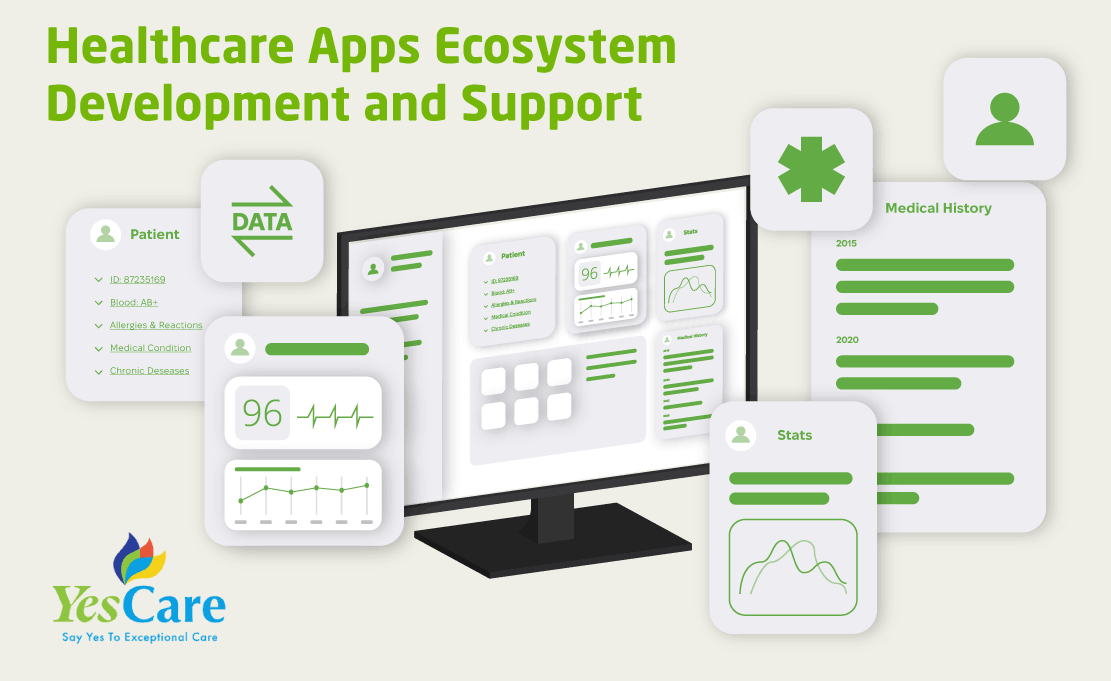
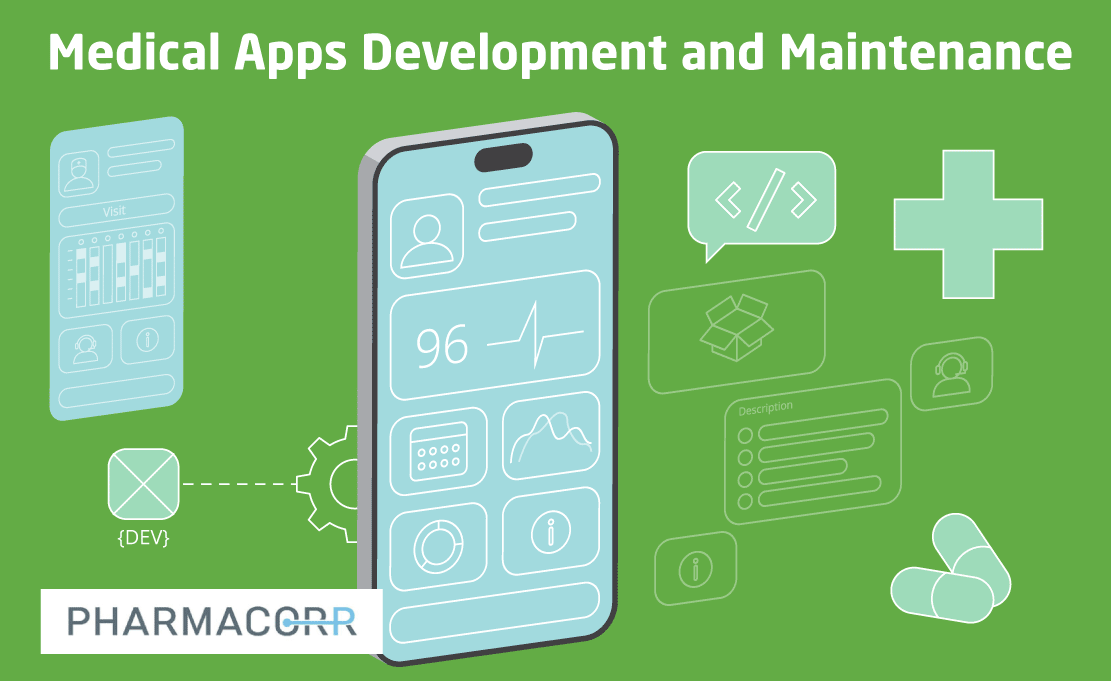
Migration of Legacy Medical Applications

Industry: Healthcare

Chudovo developers supported and updated a legacy set of medical applications for use within correctional facilities and rewrote EHR management software, medication workflow, and clinic processes. It was done as a series of projects of rewrites of legacy application frameworks to the current versions, refactors of modules, and setup of CI/CD pipelines.
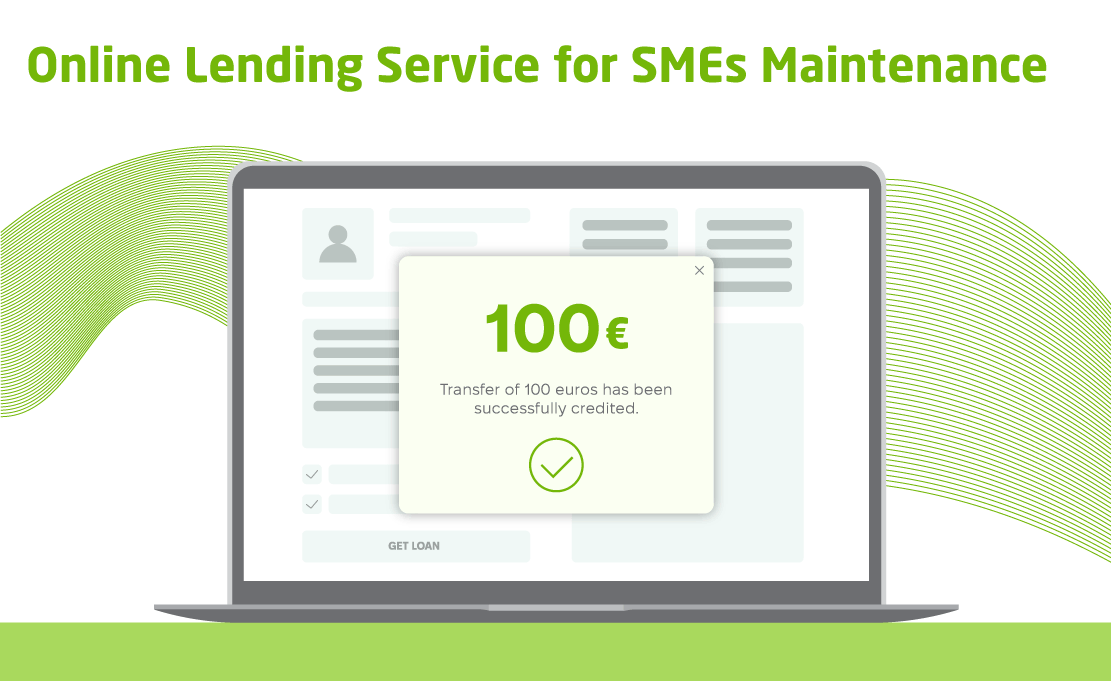
Upgrading of a Legacy Lending Platform

Industry: FinTech

Chudovo professionals performed a version update of the existing legacy monolithic lending platform, configured cloud infrastructure, refactored the data layer, and created CI/CD. Chudovo developers decomposed the existing legacy application into microservices for independent scalability.
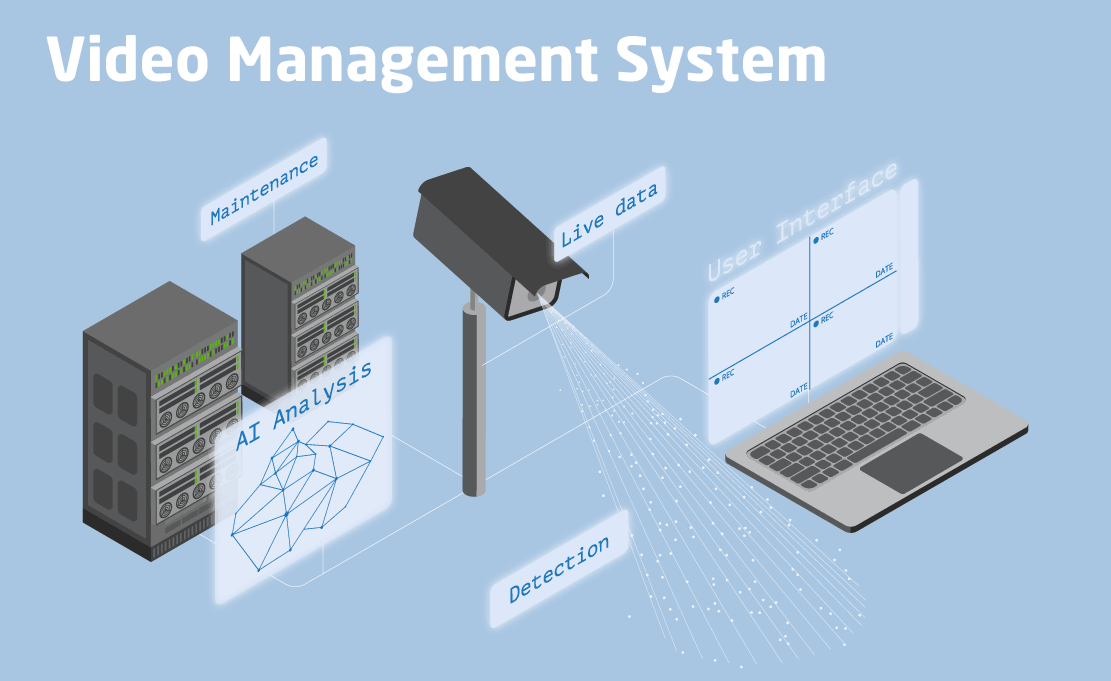
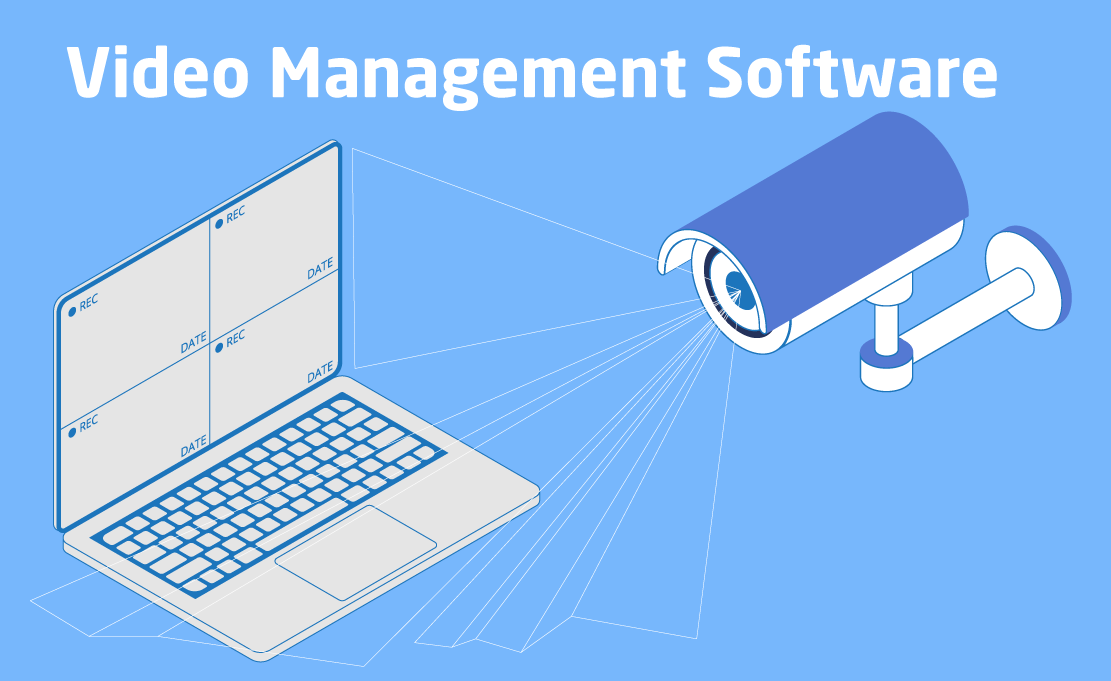
Migration of Legacy Desktop VMS to a Web-Based Microservices Platform

Industry: Video Security

The client had a legacy video management application that could be used only for desktop computers. Chudovo developers redesigned the legacy application as a microservices-based one accessible from a browser and capable of performing video analysis on multiple camera inputs.

ERP Legacy Migration IT Audit Project for a Manufacturing Company

Industry: Manufacturing

In this project, Chudovo provided assistance with the assessment of the migration of the legacy ERP system of a leading engineering firm in Germany that works in oil & gas, renewable energy, and water transport industries. This audit included the assessment of the current IT environment, overcoming barriers to implementation, addressing migration challenges, and reviewing the project schedule.
Migration of an E-Commerce Platform from Legacy Version

Industry: Retail and E-Commerce

Chudovo conducted a comprehensive migration of a major e-commerce platform operated by a US-based provider of barcode, mobile computing, and RFID products from a legacy version of the software to the most recent version.

What Our Experts Say

Dmytro Chudov CEO & CTO
Migrations of legacy systems are always a unique process. Every legacy system has its own story, its own internal logic, and its own complex ecosystem built up over many years of operation. The key for those who successfully perform these migrations is to allocate the necessary resources early on to understand exactly what needs to be migrated – the architecture, the data, the dependencies, and the people using the legacy system. This knowledge provides the foundation for predictable migration and measurable outcomes for the business.
Dmytro Chudov
CEO/CTO

Technologies We Work With

AI-Assisted Code Analysis and Transformation
Legacy Application Servers
Build Tools
Databases and tools
Service Mesh & API Gateway
Message Brokers & Event Streaming
API Layer
Infrastructure as Code
CI/CD & DevOps
Testing
Observability & Monitoring
Security & Compliance

С#:

Java:

  • Java EE
  • Jakarta EE
  • EJB
  • JAX-RS
  • JAX-WS
  • JSF
  • CDI
  • Spring Framework
  • Spring Boot
  • Spring Cloud
  • Spring Security
  • Spring Data
  • Hibernate
  • JPA
  • Quarkus
  • Micronaut

Python:

  • Django
  • Flask
  • FastAPI
  • Celery

JavaScript:

  • Node.js
  • Express.js
  • NestJS
  • Fastify

PHP:

  • Laravel
  • Symfony
  • Codeigniter
  • Yuii
  • Laminas
AI-Assisted Code Analysis and Transformation
  • Claude Code
  • Amazon Q Developer
  • GitHub Copilot Enterprise
  • OpenRewrite
  • Moderne
  • IBM watsonx Code Assistant for Z 
  • Tricentis Tosca
  • Applitools
  • mabl
  • MOSTLY AI
  • Syntho
  • Tonic Structural
  • Celonis Process Intelligence Graph
        Legacy Application Servers
        • JBoss EAP
        • WildFly
        • Oracle WebLogic
        • IBM WebSphere
        • Apache Tomcat
        • GlassFish
        • Payara
        • IIS (Internet Information Services)
        Build Tools
        • Apache Maven
        • Gradle
        • Apache Ant
        Databases and tools
        • Microsoft SQL Server
        • Oracle DB
        • IBM DB2
        • PostgreSQL
        • MySQL
        • MariaDB
        • MongoDB
        • Cassandra
        • DynamoDB
        • Firestore
        • Redis
        • Elasticsearch
          • AWS (EC2, S3, RDS, Lambda, EKS, ECS, SQS, DMS)
          • Microsoft Azure (Azure App Service, Azure SQL, AKS, Azure Functions, Azure Service Bus, Azure DevOps, Azure Monitor)
          • Google Cloud Platform (GKE, Cloud SQL, Cloud Run, BigQuery, Cloud Spanner, Google Pub/Sub)
          Service Mesh & API Gateway
          • Istio
          • Envoy
          • Kong
          • AWS API Gateway
          • Azure API Management
          • NGINX
          Message Brokers & Event Streaming
          • Apache Kafka
          • RabbitMQ
          • IBM MQ
          • ActiveMQ
          • AWS SQS
          • Azure Service Bus
          • Google Pub/Sub
          API Layer
          • REST
          • gRPC
          • GraphQL
          • SOAP/WSDL
          • Protobuf
          • OpenAPI/Swagger
          Infrastructure as Code
          • Terraform
          • Pulumi
          • AWS CloudFormation
          • Azure Bicep
          • Ansible
          CI/CD & DevOps
          • GitHub Actions
          • GitLab CI/CD
          • Jenkins
          • Azure DevOps
          • Azure AKS
          • Amazon EKS
          • Amazon ECS
          • Google GKE
          • ArgoCD
          • Flux
          • Docker
          • Kubernetes
          • Helm
          Testing
          • xUnit
          • NUnit
          • JUnit
          • Selenium
          • Cypress
          • Playwright
          • K6
          • SonarQube
          Observability & Monitoring
          • Prometheus
          • Grafana
          • Datadog
          • ELK Stack (Elasticsearch, Logstash, Kibana)
          • OpenTelemetry
          • Jaeger
          • Zipkin
          • AWS CloudWatch
          • Azure Monitor
          • Google Cloud Monitoring
          Security & Compliance
          • AWS IAM
          • Azure Active Directory
          • HashiCorp Vault
          • AWS Secrets Manager
          • Azure Key Vault
          • SOC 2
          • HIPAA
          • GDPR
          • ISO 27001

          Audit-First Delivery Approach

          The technical audit is always conducted at the very beginning of each migration engagement related to legacy systems developed in Chudovo. It is the key factor that makes the migration predictable.
          Scope of the audit Scope of the audit
          Scope of the audit

          We perform a comprehensive technical analysis of the software application architecture, state of the source code, database architecture, integrations, infrastructure configuration, and compliance posture. If there are no documents about the system under review, we create them based on the code and infrastructure configuration.

          Results of audit Results of audit
          Results of the audit

          We provide a comprehensive report including findings, detected risks, proposed migration strategy, and migration delivery plan. The audit report serves as the basis for the project scope, timelines, and budget estimates. None of the above is agreed upon prior to the completion of the audit.

          IT audit IT audit
          Independent audit as a stand-alone service

          The audit is offered as a stand-alone service for companies seeking to evaluate possible migration strategies or perform an independent audit of the legacy system.

          How to begin legacy migration?

          Initial request

          01. Contact us

          Write to us with a description of your requirements for migration and expected time frames.

          Discovery call

          02. Discovery call

          This call allows us to go through the scope and technical aspects of the project and find out whether it requires an audit first.

          Offer

          03. Proposal

          After a thorough review, we prepare a proposal that includes the scope of work and costs.

          Project start

          04. Kick off

          We put the team together, and the project commences usually within one week after proposal acceptance.

          Customer Reviews

          Olha Chura
          Partnership Lead
          Kitrum
          The main goals were to ensure stable operation of the existing lending platform, provide continuous maintenance and support, and later modernize the system by separating legacy components, migrating to .NET 9, and transitioning to a microservices-based architecture to improve scalability and performance. The lending platform remained stable and fully operational during the entire collaboration. We successfully implemented the modernization roadmap, restructured the system into microservices, and completed the migration to .NET 9, resulting in improved scalability, faster deployment, and easier maintenance.
          Principal Engineer
          Under NDa
          Chudovo handled the full modernization of legacy systems while integrating advanced AI features to boost data quality and performance. Their work included developing AI models for synthetic data validation, building RESTful APIs for smoother integration with SAS platforms, and migrating microservices to a modern, cloud-based architecture with automated deployment pipelines. They also strengthened data security and compliance features. Chudovo's work improved system performance, response times, and reliability. The team had a structured and transparent project management approach, consistently met deadlines, and adapted to changes. Chudovo's communication via Slack and Jira was seamless, and they provided extensive documentation.

          Why Migrate Legacy Applications

          benefits
          Security risks and unsupported technologies
          No longer receiving security patches, end-of-life software stacks expose organizations to vulnerabilities in their legacy applications that cannot be patched without upgrading to a new version.
          benefits
          Cost of running and maintaining
          Infrastructure costs remain constant regardless of whether the infrastructure is used. On-premises infrastructure, licensing of legacy app servers, and mainframe computing based on MIPS incur unnecessary costs compared to a cloud and open-source alternative.
          benefits
          Complexity of integration
          Legacy systems predate modern SaaS platforms and cloud computing, which use REST and event-driven communications. Integration requires building costly custom middleware to integrate a legacy system into each new service.
          benefits
          Release cycle velocity
          Slow operating monolithic architectures and inefficient deployment processes reduce the developer time spent developing functionality. Development teams that manage legacy systems invest too much time in maintenance, rather than development.
          benefits
          Organizational risk of knowledge loss
          Engineers who know how to maintain legacy tech stacks are becoming increasingly scarce. Companies that delay the migration of legacy systems have a limited talent pool with institutional knowledge of their operation.
          benefits
          Requirements compliance regulation
          Regulatory environments keep changing, and legacy systems designed before the introduction of regulations need an architectural redesign.

          Featured Projects

          FAQ

          How fast can the project start? Answer
          Within the first week after the initial inquiry.
          What are the legacy migration timeframes and expenses? Answer
          • Small migrations last from 4 to 8 weeks, and costs begin at $15,000.
          • Medium-sized migrations last from 3 to 6 months and generally cost $50,000-$200,000.
          • Enterprise-level migrations with complex business logic take from 6 months to 18 months and beyond, beginning at $200,000.
          Exact quotes are available following the initial assessment.
          Will the system remain operational while being migrated? Answer
          Yes. We perform the incremental migration, which takes place in several steps, keeping the production system operational until validation of every single step.
          Do you migrate systems that you didn't initially build? Answer
          Yes. During the discovery of the project, we map out the unfamiliar system through its source code and infrastructure, estimate all the timeframes, and after that, we move on to the migration process.
          What if we require only partial migration of our system? Answer
          Then we perform the migration of the modules or components in accordance with requirements and project scope.
          Can you estimate my migration project? Answer
          We give indicative estimates before starting the engagement and are transparent about each step of the project.
          What cooperation models do you offer? Answer
          We build a dedicated team for ongoing projects, take on outsourced projects, and provide talent for staff augmentation.
          Do you provide any support after migration? Answer
          Yes, we provide migration post-support on a retainer contract basis.
          Let us to assess your legacy migration project!