
Legacy ERP Migration

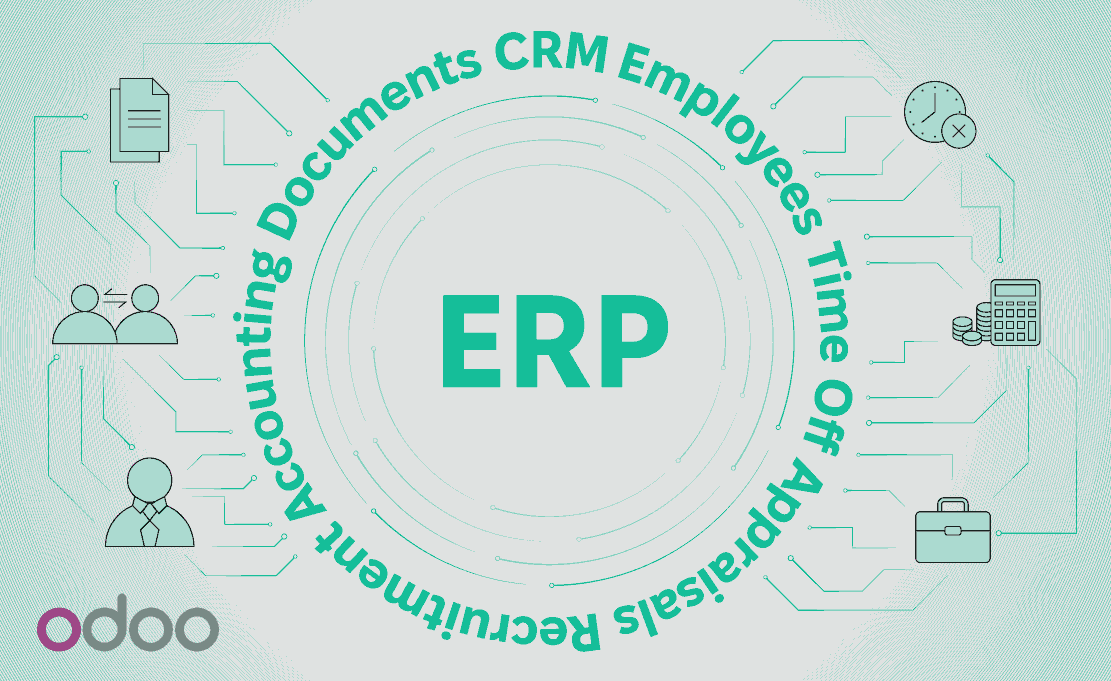
Our company helps migrate and modernize legacy ERP systems like SAP, Oracle E-Business Suite, JD Edwards, and custom-built enterprise resource planning systems into modern versions, cloud-based environments, and even replacement systems.
Request migration of legacy ERP

Our Legacy ERP Modernization Services

Our Approaches to Migration of Legacy ERP Systems

Audit-Driven Migration Planning

We audit the existing ERP solution (version, active modules, customization volume, integration dependencies, data model) before finalizing scope, timeline, or budget. We determine the migration approach based on the audit.

Incremental Migration

We implement the solution step-by-step: both the legacy ERP and the new system run in parallel. Each phase is fully validated before the legacy system is retired.

AI-Assisted Approach

The entire ERP migration process is AI-assisted. This speeds up codebase analysis, custom code remediation, ETL pipeline rebuilding, and test automation.

Integration-First Planning

We identify and document all ERP integrations upfront before the execution of the migration. With integrations addressed first, we can base the migration plan on a validated foundation before execution starts.

Data Integrity and Compliance

During the data migration process in the architecture of the migration, цe implement data validation points, reconciliation procedures, and compliance requirements such as audit trail continuity and regulatory reporting accuracy.
Our Awards

Top Enterprise Software Developers 2026 by Techreviewer
Top Enterprise Applications Development Company 2026 by Feedbax
Top Software Development Company
Sortlist Trusted Partner
Top Software Development Company 2026 by RightFirms

How Much Does Legacy ERP Migration Cost?

Migration costs vary based on ERP systems, system complexity, customisation, data volume, and the number of integrations to be rebuilt.
Software complexity
Simple
Examples

Single module migration (e.g. finance or HR) to a modern platform

Price range
from $10000
to $19000
Development time
1-3 months
Examples

ERP version upgrade with standard configuration and no custom code

Price range
from $12000
to $24000
Development time
1-3 months
Examples

Data migration from a legacy ERP to an off-the-shelf SaaS replacement

Price range
from $14000
to $28000
Development time
1-3 months
Functionality
Team
Software complexity
☆☆
Medium
Examples

Full migration of a mid-size SAP ECC system with limited ABAP customization

Price range
from $40000
to $50000
Development time
2-6 months
Examples

Oracle E-Business Suite migration to Oracle Cloud ERP with up to 10 integrations

Price range
from $42000
to $50000
Development time
2-6 months
Examples

Custom legacy ERP modernization with codebase refactoring and cloud replatforming

Price range
from $45000
to $55000
Development time
2-6 months
Functionality
Team
Software complexity
☆☆☆
Enterprise
Examples

Large SAP ECC to S/4HANA migration with heavy customization and 10+ integrations

Price range
from $90000
to $200000
Development time
6+ months
Examples

Oracle JD Edwards migration for a manufacturing enterprise with MES and WMS integrations

Price range
from $95000
to $200000
Development time
6+ months
Examples

Legacy ERP migration in a regulated industry (healthcare or finance) with compliance validation

Price range
from $95000
to $200000
Development time
6+ months
Functionality
Team
Note: these figures are estimates. The actual costs can be determined through an audit. The costs can vary based on customization levels within the source system, data quality, and the number of integrations.

Why Choose Chudovo for Legacy ERP Migration

  • Proven experience in custom ERP development, legacy ERP system migration, ERP audits and modernization projects on SAP, Oracle, and custom-coded systems
  • Starts within one week of the initial request
  • Flexible collaboration and billing models: fixed-price for clear and well-defined projects, time and materials for more complex projects
  • Audit-first approach: migration scope, timeline, and cost determined after system audit, not before
  • ERP system migration strategy considers the ERP system used by the client, the level of customization, the quality of the data, and the integration scenario of the system used by the client
  • One dedicated team per project; our engineers do not work on multiple projects simultaneously during active phases of the projects
  • Delivery experience in 15+ industries: manufacturing, retail, logistics, healthcare, financial services, and more
  • Hands-on experience in dealing with the compliance requirements of the following industries: HIPAA, SOC 2, GDPR, ISO 27001

What Our Experts Say

Dmytro Chudov CEO & CTO
Every ERP migration plan we write begins with an integration map and a data quality report, before timeline and budget are ever considered. Integrations are what break during cutover, not the ERP data. Problems in data quality, if discovered mid-project, will add more cost and time than the initial data quality report would ever have taken. If problems are revealed in either an integration map or a data quality report, then schedule and budget are adjusted before even starting out. A week of upfront work saves months of rework after a failed go-live.
Dmytro Chudov
CEO/CTO

Technologies

ERP Platforms
ERP-Specific Languages and Tools
AI-Assisted Code Transformation
Data Migration Tools
Back-End Technologies (custom ERP)
Databases
Integration & Middleware
ERP Platforms
  • SAP ECC, SAP R/3, SAP S/4HANA, SAP BTP
  • Oracle E-Business Suite, Oracle JD Edwards, Oracle Cloud ERP
  • Microsoft Dynamics (AX, NAV)
  • Custom .NET / Java / PHP ERP systems
ERP-Specific Languages and Tools
  • ABAP
  • Oracle PL/SQL, Oracle Forms
  • SAP HANA Studio, SAP Solution Manager
  • Oracle Data Integrator (ODI)
AI-Assisted Code Transformation
  • Claude Code
  • Amazon Q Developer
  • OpenRewrite
  • Moderne
  • IBM watsonx Code Assistant for Z
  • Informatica IDMC
  • Ispirer Toolkit
  • Microsoft Fabric Data Factory Copilot
  • Qlik Talend Data Fabric
  • Azure Document Intelligence
  • ABBYY Vantage
  • Amazon Textract
  • UiPath Platform
  • Microsoft Power Automate with AI Builder
  • Tricentis Tosca
  • Applitools
  • MOSTLY AI
  • Tonic Structural
            Data Migration Tools
            • SAP Data Migration Cockpit, SAP LSMW, SAP BODS
            • Oracle Data Integrator
            • AWS DMS, Azure Data Factory
            • Talend, Informatica, dbt, Apache Airflow
            Back-End Technologies (custom ERP)
            Databases
            • SAP HANA, Oracle DB, Microsoft SQL Server
            • PostgreSQL, MySQL
            • Amazon RDS, Azure SQL
            Integration & Middleware
            • SAP PI/PO, SAP Integration Suite
            • MuleSoft, Apache Kafka
            • Azure Service Bus, AWS SQS
            • REST APIs, SOAP/WSDL
            • GitHub Actions, GitLab CI/CD, Jenkins, Azure DevOps
            • Docker, Kubernetes, Terraform
            • SAP ECATT, HP ALM, Selenium
            • Custom data reconciliation frameworks
            • SonarQube

            Why Do Legacy ERP Modernization?

            Vendor end-of-life deadlines
            SAP ECC mainstream maintenance ends in 2027, and extended maintenance will be available until 2030 for a fee. Oracle E-Business Suite 12.1 has already ended its premier support release in 2017. Companies using these versions have a deadline to migrate. However, migrating on the company's time schedule is less disruptive and cost-effective than migrating due to the vendor's end-of-life deadline.
            Licensing and infrastructure cost
            ERP licenses for on-premise infrastructure have a fixed cost every year, regardless of usage. Cloud-based ERP systems will have a cost proportional to the usage. Companies with varying workloads or plans to expand will benefit in the long term by using a cloud deployment.
            Integration debt
            Integrations done using file-based integration tools like file watchers, SOAP services, or proprietary middleware tools like TIB/Rendezvous or Progress OpenEdge have become costly to maintain. Modern ERP systems offer RESTful APIs and support popular event streaming protocols.
            Reporting and analytics debt
            The legacy ERP system was not designed with the reporting requirements of modern businesses in mind. Modern businesses need real-time reporting or at least the ability to extract data for reporting tools. Modern ERP systems offer real-time data access.
            Talent availability
            Finding the right talent with expertise in ABAP code for old versions of SAP or Oracle Forms or custom codebases of old ERP systems is becoming increasingly difficult. Each year of delay in the upgrade process puts the organization at risk of losing the institutional knowledge required to support the system.
            Customization debt
            ERP systems undergo significant changes in their codebase over the years. Upgrades require reworking customizations done over the years. At some point, the number of customizations done over the years makes it prohibitively expensive to upgrade the system. This is why many organizations end up using outdated versions of the system. Upgrading is the perfect time to clean up the codebase.

            Customer's Reviews

            Anonym
            Co-Founder & Managing Director
            Thanks to Chudovo's work, the client experienced near-zero downtime, faster feature deployment, and reliable third-party integrations. The team communicated effectively, holding weekly demos and setting clear sprint goals. They were also adept at adjusting to regulatory feedback and internal audits.

            Featured Projects

            FAQ

            What is the difference between the migration and the upgrade of an ERP system? Answer
            The difference between the two processes is that in the case of an upgrade, the organization upgrades its existing system to a newer version of the same system, keeping the customizations and data in place. In the case of migration, the organization moves its system from one platform to another, for instance, from an on-premise-based SAP ECC system to a cloud-based SAP S/4HANA system.
            Can you migrate only a part of the ERP system? Answer
            Yes. Module replacement, where finance, HR, and/or procurement are replaced with a new system while other modules are retained, is an acceptable approach for organizations where a full system migration cannot be completed in one project. We analyze the integration dependencies between modules before recommending this approach.
            How do you handle years of historical data? Answer
            The scope of historical data migration is project-related. If historical data migration is to be done, it will add to the project cost and duration. One approach is to migrate open transactions and a defined period of historical data to the new system and then store the historical data in a read-only data store.
            What is the process with integrations during the migration process? Answer
            The integrations are audited and documented during the audit process. The dependent systems will be executed against the old ERP system until the new system is validated during the migration process. The integrations will be rebuilt in the staging environment prior to the cutover process. It is not recommended to cutover the ERP system and then attempt to rebuild the integrations at the same time. This is one of the main reasons why ERP go-lives fail.
            How long will the ERP system migration process take? Answer
            The time required will vary depending on the ERP system's size, the number of customizations required, and the number of integrations. A focused module migration will require two to four months. A full mid-sized ERP system will require four to nine months. A large enterprise-level ERP system with extensive customizations and multiple dependent systems will require nine to eighteen months or more. The above table shows the range of ERP system migration costs and time required.
            Is it just on the ERP itself, or is it just on the migration infrastructure? Answer
            Both. We work on the ERP application layer, which is ABAP for SAP, PL/SQL for Oracle, custom code for homegrown systems, as well as the migration infrastructure, which is ETL, data validation, etc.
            Request an estimation of you legacy ERP migration project!