
This approach alters the way the application functions from the inside out. The goal in this case is to remove code that is redundant, simplify the code, and make it adhere to the standards of coding currently in use. This could be applied to some or the entire code, as was identified in the initial audit.
Legacy applications are often built with components that are too tightly linked, or they’re monolithic, which makes it hard to deploy and scale them independently. This will involve breaking down monoliths into modular or microservices-based architectures. We’ll also separate different functions across distinct service boundaries, and we’ll restructure layers within the existing architecture when a complete overhaul isn’t necessary.
This service includes the refactoring of databases with redundant tables, undocumented stored procedures, and inconsistent naming standards. Database design includes normalizing or denormalizing the database structure, depending on how the database is used. It also includes stored procedure refactoring, as well as application logic and query optimization.
We specialize in reworking API layers within older applications, particularly those that are poorly structured and lack documentation. This includes applications with direct exposure of business logic to the user interface and those using outdated communication protocols. The outcome is a versioned, documented RESTful API, complete with authentication.
Libraries, SDKs, and frameworks need to be checked and updated, especially if they are no longer supported. This ensures compatibility with new runtimes and prevents any possible vulnerabilities that could be identified in the libraries.
We integrate unit, integration, and regression test suites in conjunction with refactoring efforts. Without automated test coverage, refactoring at scale cannot be safely verified against the existing system’s behavior.
We locate and resolve bottlenecks in application code and database queries: slow endpoints, N+1 query patterns, unindexed lookups, and inefficient background job scheduling.
This process involves the preparation of existing applications and infrastructures for deployment on the cloud without the need for a migration process. It includes cloud enablement assessment, configuration of the environment, identity and access configuration, network architecture design (VPC, subnet, security groups), and the implementation of the CI/CD pipeline for cloud-based applications.






Industry: PropTech/HR Technology
The team was handed a legacy .NET application used in employment and tenant background screening. A list of defects was addressed, full system testing was done, and a written report was created. This report included an overview of the system’s status, highlighting problems and offering possible fixes.
Industry: Healthcare
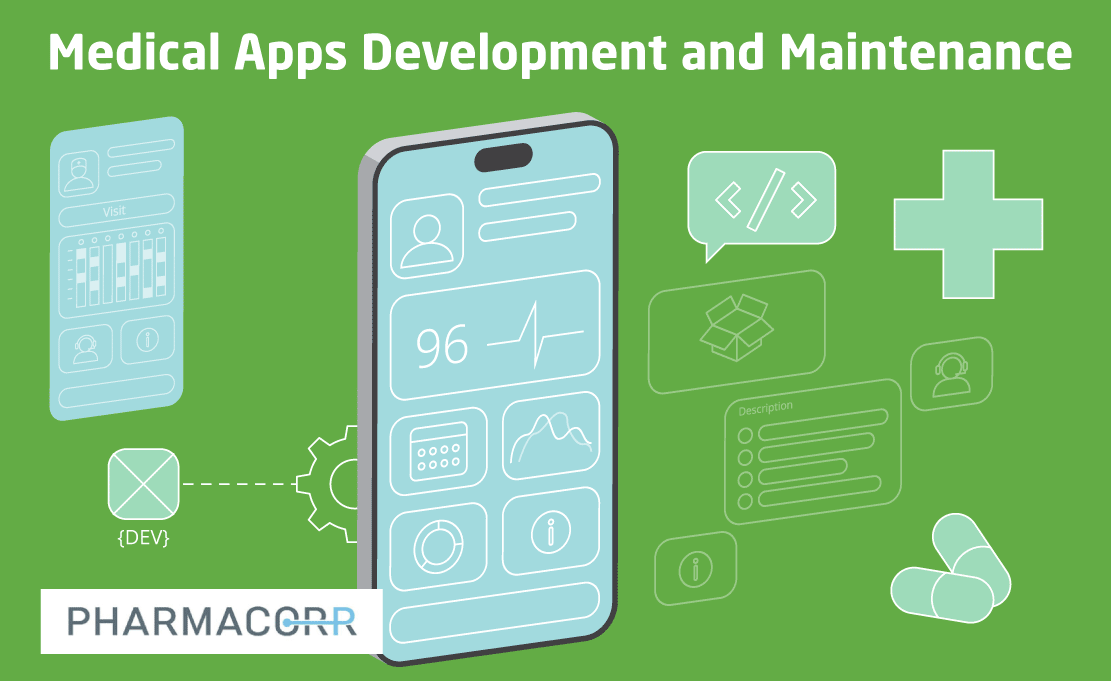
The team was tasked with maintaining a set of .NET-based medical applications used in correctional facilities. This included a range of applications such as medical record management, electronic prescriptions, and medication delivery. This was done by refactoring from .NET Framework 4.5 to ASP.NET Core. This was done on an Azure infrastructure.

Industry: Financial Software
The team was tasked with refactoring a legacy .NET Framework-based online lending platform. This was done for small to medium-sized enterprises. This included refactoring from .NET Framework to .NET 9 on Azure. This was done to provide an efficient system in which credit approval occurs within a 24-hour cycle.
Our team assesses the codebase and architecture before commencing. This results in a report outlining our findings and a prioritized refactoring plan. This helps in scope control, ensuring that the scope does not increase beyond what the client has approved.
Refactoring occurs in phases, which are broken down into smaller parts with specific results. This enables the client to review results at every phase, allowing scope control based on business needs.
Our team works alongside active development. This means that refactoring changes are reviewed, tested, and deployed in a similar way to any feature development.
Our team documents all refactoring work done at every phase. This enables the client’s team to maintain and even extend the refactored codebase independently of any external influences after our work is done.
The timeline depends on a few things, such as the complexity of the codebase and whether there are any existing test suites in place.
Refactoring is the right approach when the legacy application functions correctly, but the codebase prevents the team from working on it efficiently. It’s more focused than a complete overhaul, and less of a headache than a total rewrite.
Here are some signs that refactoring is needed:

Audit-First Scope Definition
We audit the codebase to determine scope. Each refactoring engagement starts with writing a technical audit, which reveals the level of technical debt, areas that need to be addressed, and their prioritization.
Incremental Refactoring Delivery
Refactoring will proceed in phases while leaving the production system operational. We will check each delivery before we proceed to the next phase, providing more opportunity to adjust our approach along the way.
AI-Assisted Approach to Code Refactoring
We use AI tools in all the phases of the refactoring - automated code analysis, pattern recognition, dependency mapping, documentation generation, and test suite creation. This saves time for the evaluation phase and the refactoring itself, especially for large or undocumented code bases.
Business Logic Preservation
Refactoring enhances the internal architecture of an application without having to change its external behavior from the end-user perspective or a business perspective. The whole functional behavior is preserved during the refactoring process.
Following Development Best Practices
Each refactoring project follows clean code principles and standard practices in software development. This includes code organization, module structure, naming conventions, and standards specific to each technology stack.